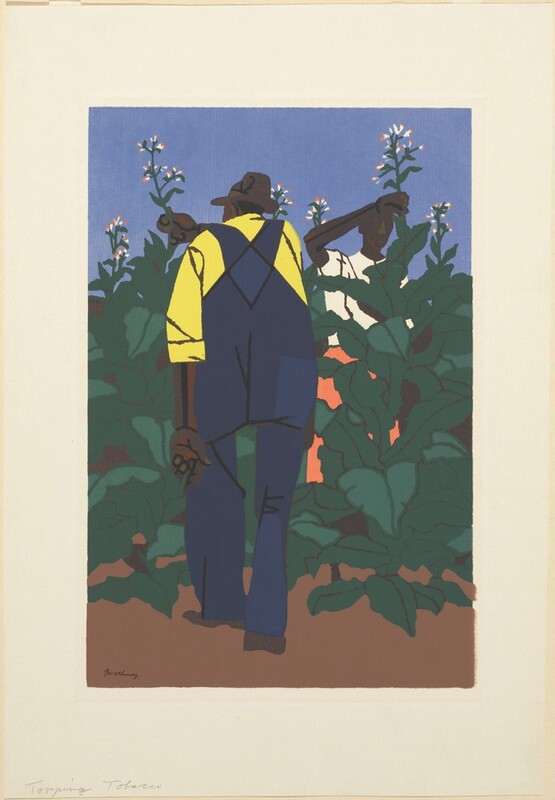
PMI also prohibits children under 18 from engagement in hazardous work.[429] PMI listed the hazardous activities that children of any age should not perform, including: driving vehicles, using sharp tools in movement, , handling and applying pesticides and fertilizers, carrying heavy loads, working at heights, working long hours that interfere with health and well-being, working in extreme temperatures, working at night, harvesting, topping and pulling suckers off of tobacco plants.[430]In a February 2014 meeting with Human Rights Watch, PMI officials gave several examples of tasks that the company did not consider hazardous for children, including weeding, handling seedlings, watering seedbeds, and selecting tobacco leaf after plants have dried.[431] PMI has developed detailed guidance materials, training materials and programs, and internal and external monitoring procedures specific to each market in which it works to facilitate implementation of the ALP, including the child labor policy in its global supply chain.[432] PMI also engaged Verite, a non-profit organization, to provide PMI with experience, advice and hands-on support in the creation, implementation and monitoring of the ALP Program.[433] In early 2012, PMI incorporated its ALP Code standards in contractual arrangements with all growers in the United States and conducted training sessions to cover all of its contracted farms
:max_bytes(150000):strip_icc()/AR-Tobacco-onions-Getty-creativesunday2016-4x3-fb3a2d449d6242e5bd19472bc2bff8be.jpg)
This Naked 100 Tobacco vape juice is a smooth and balanced yet sweet tobacco flavor
Ramirezs Institute for Health Promotion Research at UT Health San Antonio is the Quitxt program, a bilingual service that sends texts with culturally and regionally tailored support to help South Texas young adults quit smoking
Denormalize and ban tobacco-related corporate social responsibility contributions as recommended in Article 5.3 of the WHO FCTC and its guidelines, and the Guidelines for Article 13 of the WHO FCTC