Isomers of the tomato glycoalkaloids -tomatine and dehydrotomatine: Relationship to health benefits
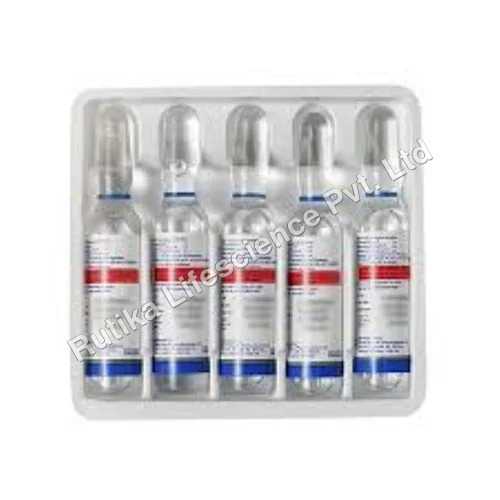
36687-82-8 Chemical Name: L-Carnitine-L-tartrate Synonyms L-CARNITINE L-TARTRATE;L-CARNITINE TARTRATE;Carnitine tartrate;Propanaminium;(R)-BIS[(3-CARBOXY-2-HYDROXYPROPYL) TRIMETHYL AMMONIUM] L-TARTRATE;1-Propanaminium, 3-carboxy-2-hydroxy-N,N,N-trimethyl-, (2R)-, saltwith (2R,3R)-2,3-dihydroxybutanedioic acid (2:1)OTHER CA INDEX NAMES:Butanedioic acid, 2,3-dihydroxy- (2R,3R)-, ion(2-),bis[(2R)-3-carboxy-2-hydroxy-N,N,N-trimethyl-1-propanaminium;L-Carnitine-L-tartra;L-Glutamine Tartrate;N-Dimethyl benzamine;Vitamin BT L-tartrate CBNumber: CB5141230 Molecular Formula: C11H20NO9- Molecular Weight: 310.28 MDL Number: MFCD04974128 MOL File: 36687-82-8.mol MSDS File: SDS TDS File: TDS L-Carnitine-L-tartrate price More Price(64) L-Carnitine-L-tartrate Chemical Properties,Uses,Production Description L-carnitine is a naturally occurring amino acid derivative which is used as a weight loss supplement
However, prolonged use of GH secretagogues can lead to mild desensitization of the GHS-R1a receptor and natural GH axis , which is why taking time off after a cycle is recommended
Standard Dosing Range: Low dose: 200 to 250 mcg once daily Moderate dose: 250 to 500 mcg once or twice daily Higher dose: 500 to 800 mcg once or twice daily Weight-Based Dosing: Based on animal study extrapolations, an estimated human equivalent dose is approximately 1.6 mcg/kg body weight, translating to roughly 110 mcg for a 150-pound person and 145 mcg for a 200-pound person when using oral administration