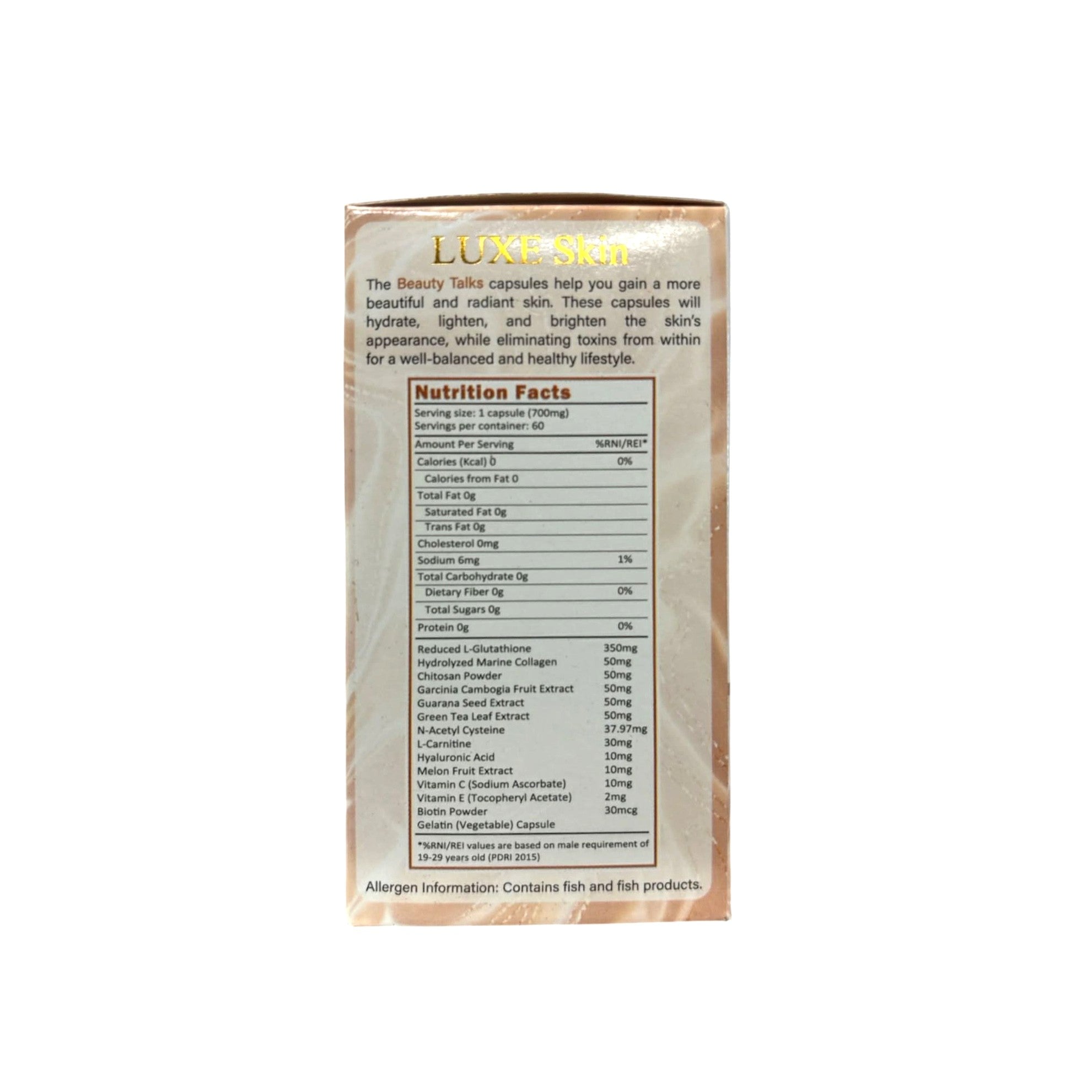
Glutathione binds undesirable toxins, pollutants, chemicals, heavy metals, and drug metabolites and excretes them through the urine or the gut
Mice were injected with 2 g glucose per kg body weight intraperitoneally, and glucose concentrations were measured at 0, 15, 30, 60, and 120 min after injection
To further characterize these interactions, we constructed a molecular interaction network (Figure 7C) revealed three functionally interconnected modules: ( Consistent with multi-omics findings, KEGG pathway analysis identified glutathione metabolism as the most significantly perturbed shared pathway (Figure 8A), exhibiting coordinated changes between upregulated antioxidant enzymes such as Gpx3 and Mgst1 alongside depleted glutathione derivatives, supporting redox imbalance as a key pathogenic feature
In vivo models of alpha-synuclein transmission and propagation